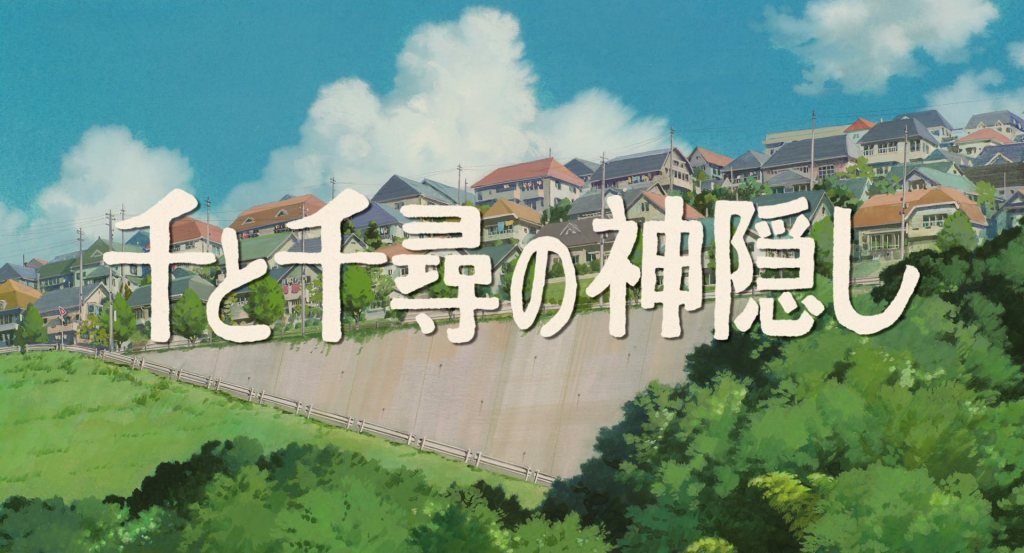
Spirited Away is hands down one of my all time favourite films and Studio Ghibli’s most iconic animated features. While the film is often known for its gorgeous, hand-drawn animation, my analysis focuses on the storytelling or human element of Spirited Away – which I think deserves equal appreciation for its excellent portrayal of the development of its main protagonist ‘Chihiro’, a young girl who manages to achieve true maturity upon learning to adopt to a new, challenging environment.
If this plot sounds familiar to you, it’s because it is meant to be: everyone goes through this journey at some point in time – when they’re moving to a new country, starting a new job in a different town, or simply embarking on a new chapter of their life.
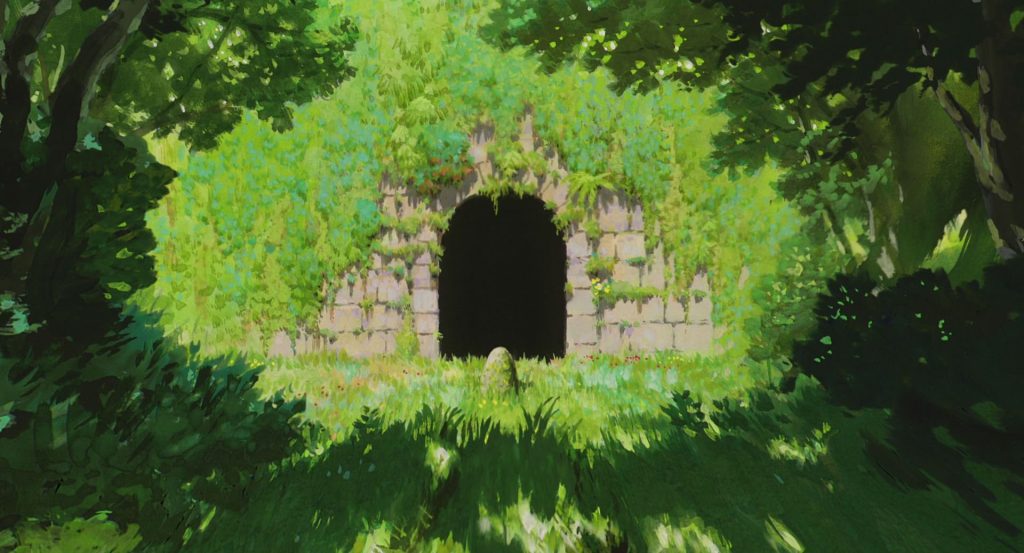
What stood out to me in particular about Chihiro’s journey upon rewatching the film, is the notion of Quiet Persistence, which arguably becomes Chihiro’s defining character trait as she journeys through the spirit world and one which marks her transformation into a mature, young lady.
What is Quiet Persistence? Well, as Miyazaki implies, it’s something you acquire when you set goals that are motivated by love, not greed or flattery, and when you strive for those goals without complaining or becoming distracted.
His message really shines through when you compare Chihiro’s actions throughout the film with the behaviour of other spirits in the bathhouse. Chihiro knows what is important to her – the people she loves. In the beginning, this only included her family and her sole goal was to save them by finding a way to turn them back into humans. Her goal then expands to include saving Haku from the clutches of Yubaba, the boy/dragon spirit who helped her when she felt stumbled across the spiritual world.
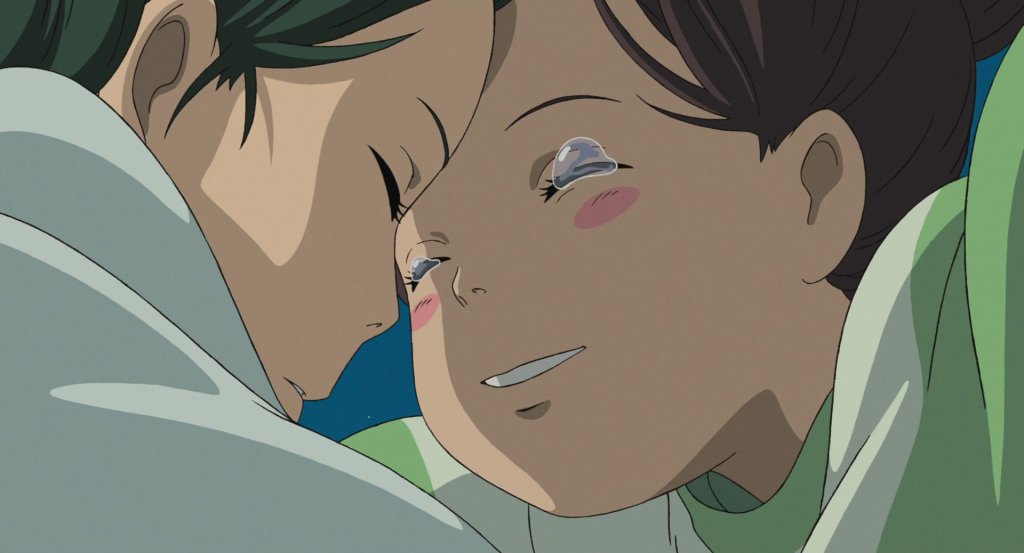
Why does Chihiro bother trying to do the latter when her original goal was already so difficult to achieve? Well, not because she is romantically infatuated with Haku, but because she grows to care for him on a deeper level purely because of what he has done for her.
Her love for these people is what drives her actions and decisions in the entire story. Chihiro never loses focus, even when she faces temptations such as No Face’s offers of wealth and obstacles such as Yubaba’s attempts to make her experiences in the spirit world a total nightmare.
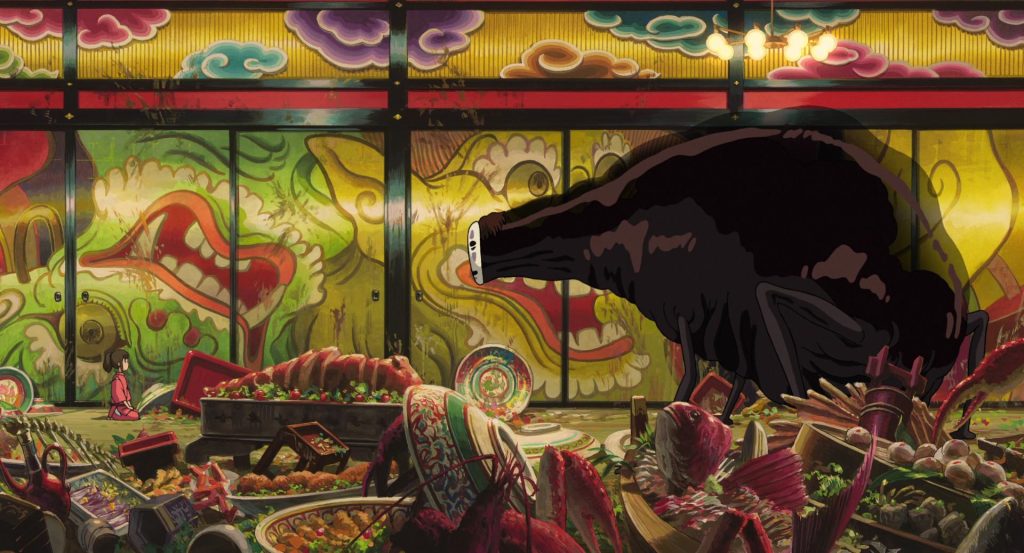
Contrast this to the behaviour of other inhabitants in the bathhouse. Whether it’s the promise of a tasty morsel, or mountains of gold, everyone seems to be motivated by either or both of these two things. Just recall the scene of the spirits cooking up a feast for their mysterious, wealthy patron ‘No Face’, enticed by the promise of gold. This doesn’t turn out so well, however, when this patron reveals himself to be a spirit eating, mentally unstable creature.
Similarly, Yubaba, the owner of the bathhouse, is willing to do whatever it takes to make her business profitable. When her business become incredibly wealthy overnight thanks to Chihiro’s effort, she is too busy basking in her newly acquired gold to notice the disappearance of her own baby.
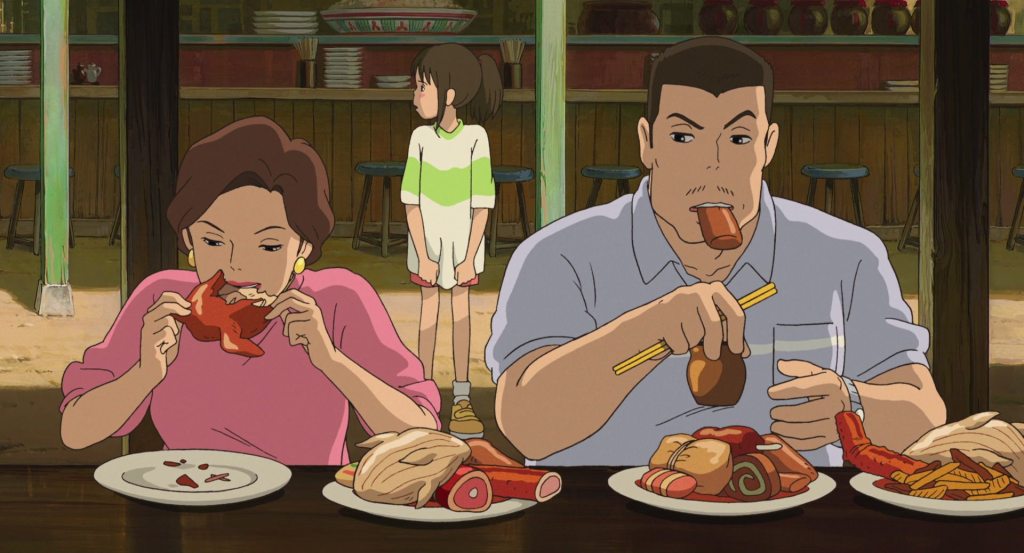
The message Miyazaki sets is clear – Greed blinds us and distracts us from what is truly important, our duty to those we love. When we are motivated by greed, when we strive for things we don’t truly need, we end up making very bad decisions. Want another example? Chihiro’s parents turned into pigs precisely because they had feasted on food that wasn’t theirs.
Miyazaki also shows us that persistence is a silent power; people don’t often witness the efforts that go into achieving your goals, and it is an inherent quality that can only be achieved by the individual, and the individual alone. This is shown, quite literally, in one of the most beautiful scenes in the movie – the train sequence.


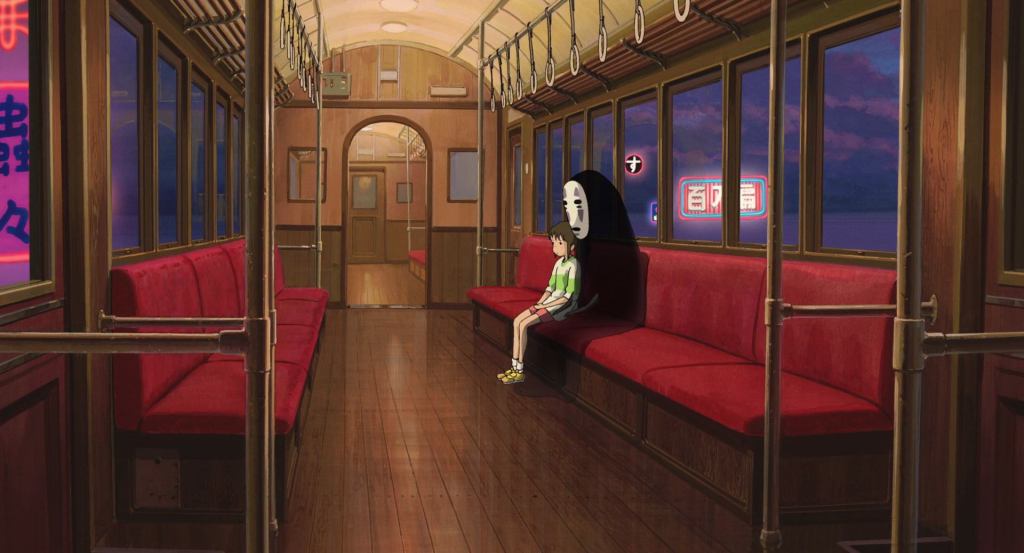
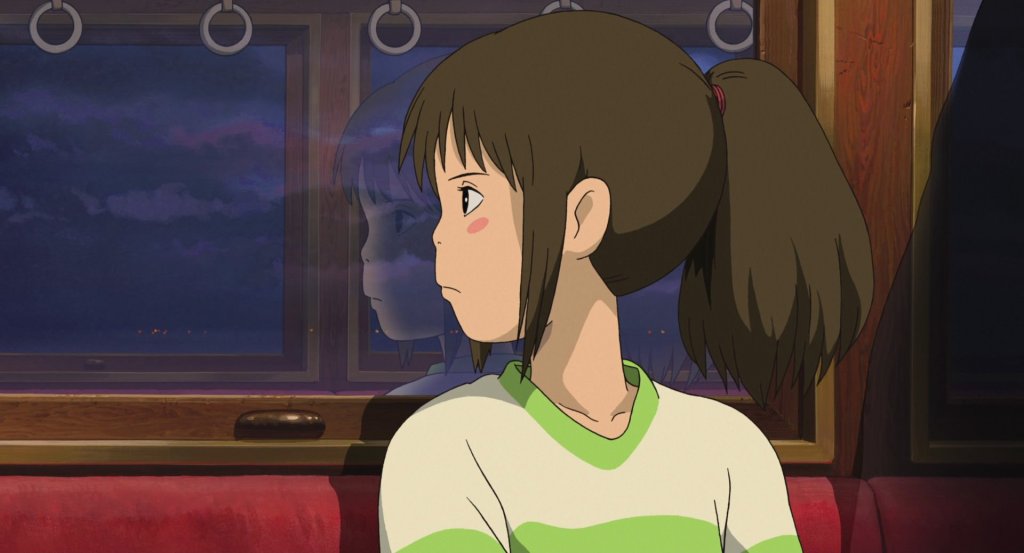
The scene shows Chihiro seated onboard a train that takes her across the sea, and cuts to her staring off into the unknown. She isn’t doing anything exciting or show stopping in this sequence. Rather, Miyazaki uses this moment of tranquility to allow audiences to reflect on the events of the plot so far, and fully realise Chihiro’s determination.
She knows that once she boards the train, there is no going back, but she does so anyway even though she doesn’t truly know what will come from her journey. Despite the uncertainty of her final destination, she patiently waits stop after stop until her station comes into view, ignoring the movement of the other passengers on board and the flashing neon lights of an unrecognisable, completely alien landscape outside.
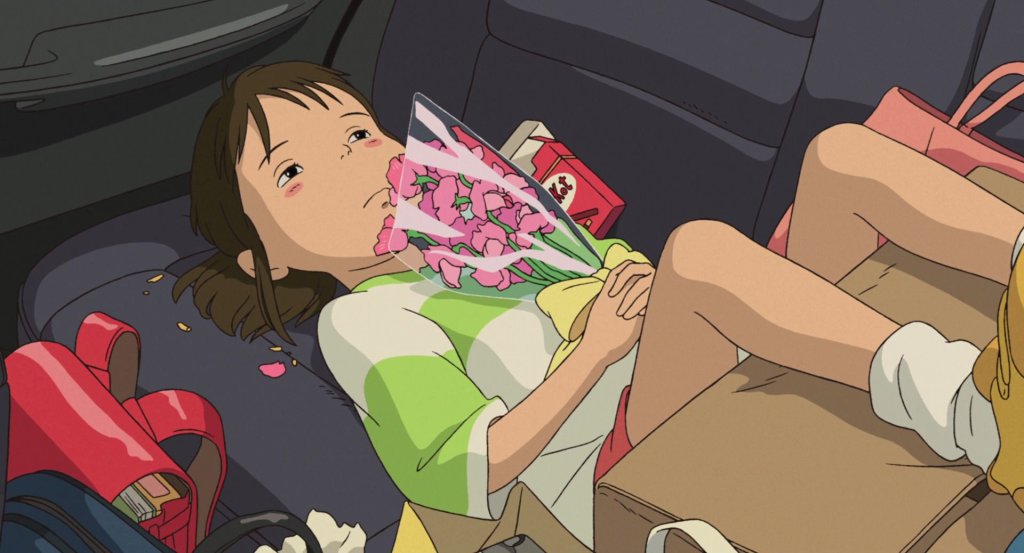
The Chihiro we see is entirely different from the sulky girl at the beginning of the film, who was complaining about the loss of her friends and her old life in her parents car as they drove off to their new place. In the spirit world, her problems have only escalated, but she refrains from complaining about the hardships she faced as she understands this would not assist her.
Confronting uncertainty, refusing to bow down to challenges no matter the difficulty – all this requires inner strength, a silent power – the power of persistence.
So now that I’ve reached the end of my post, I hope I’ve convinced you to watch Spirited Away if you haven’t already. The concept of ‘Quiet Persistence’ that it so flawlessly demonstrates through Chihiro’s transformation, is one which we should definitely remember when we are transitioning through a new and daunting stage of our lives – whatever it may be.
 IN TRANSIT;